Promoting Sustainable Agriculture and Food Security for a Better Future.
Sustainable Growth: Empowering Communities Through Food and Agriculture
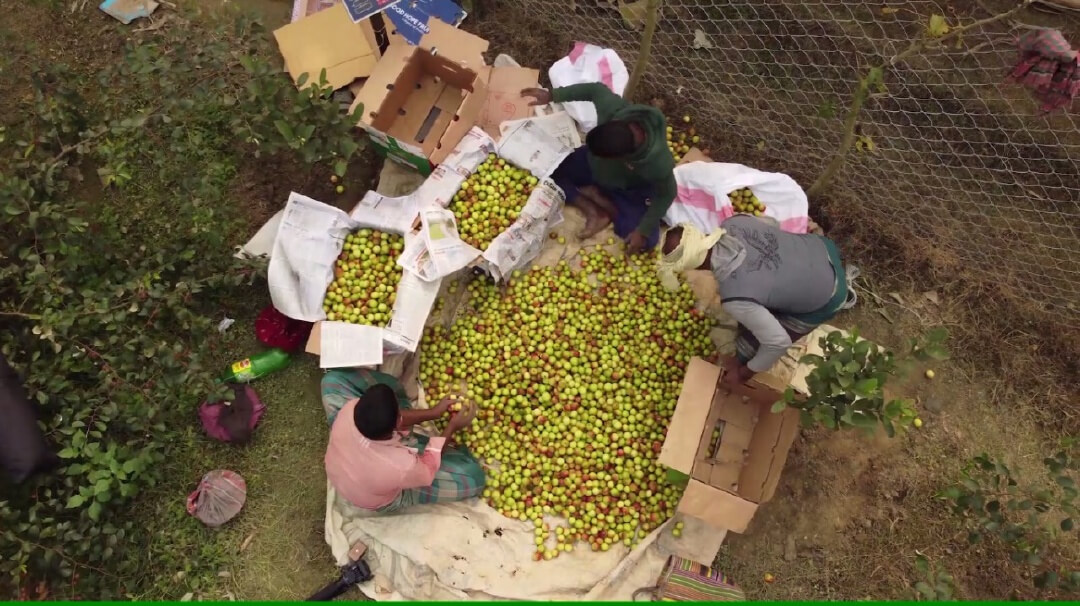
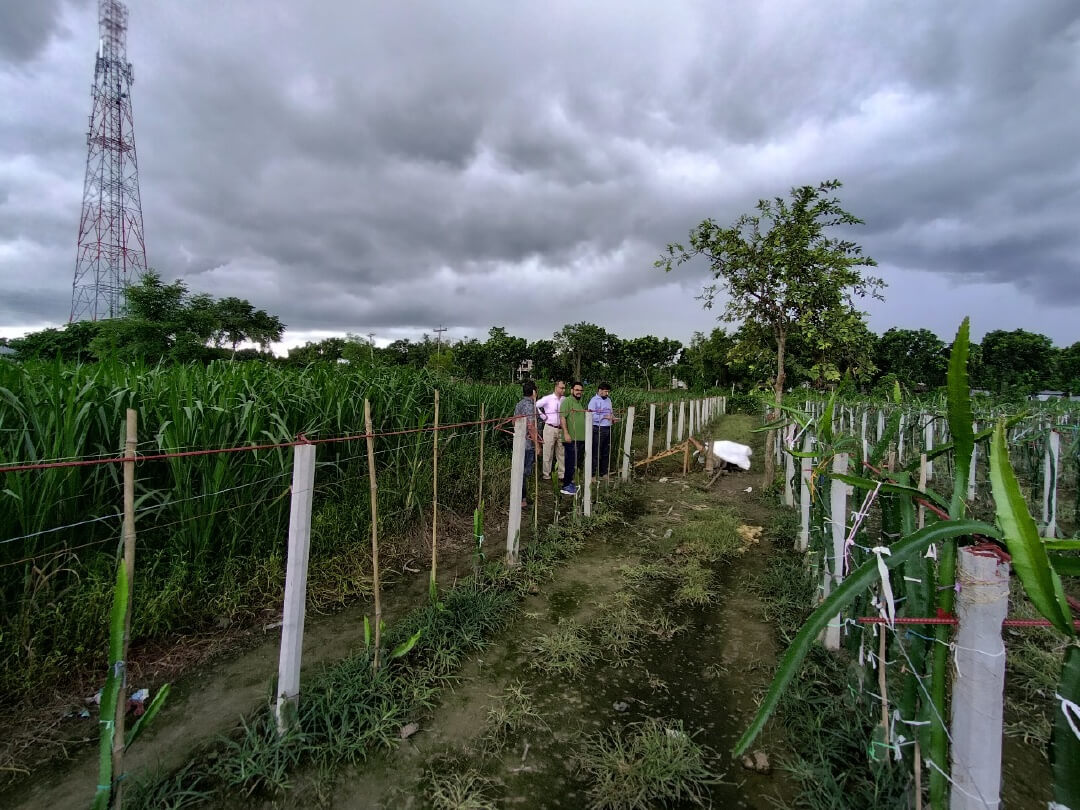
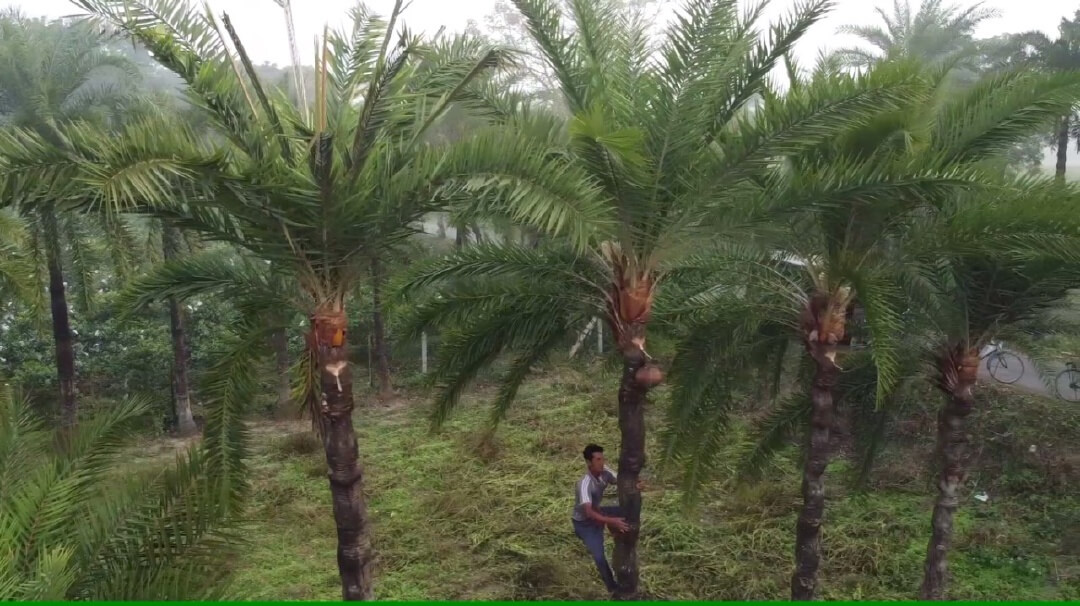
We provide farmers with training on sustainable farming practices, crop diversification, and improved techniques to increase yields and income. Our mission is to empower communities with the resources they need for a sustainable future.
Our Impact
ATMABISWAS has been transforming lives through innovative agricultural practices, educational programs, and community-driven initiatives. Together, we are revolutionizing the agricultural landscape.
Supporting farming communities
Promoting sustainable agriculture
Encouraging innovation
Strengthening local food systems
Empowering rural families
A Story of Transformation
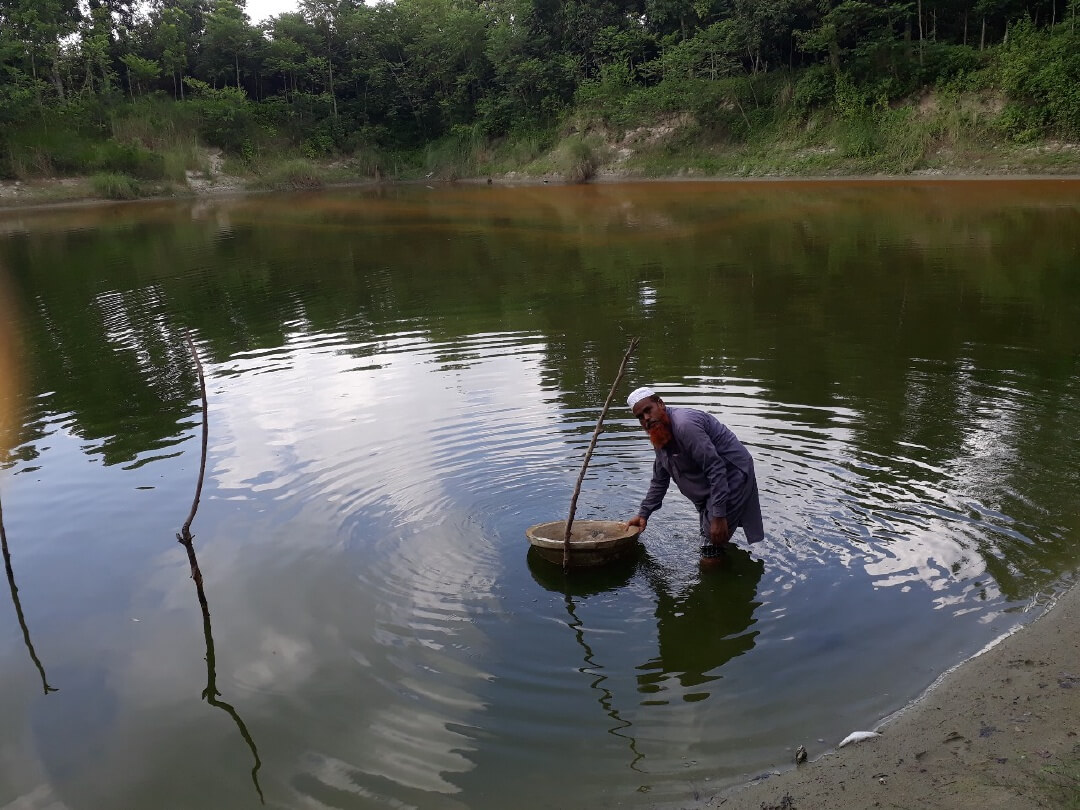
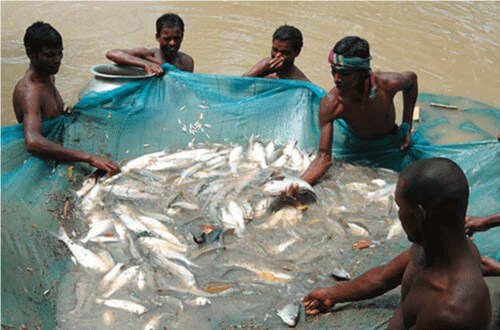
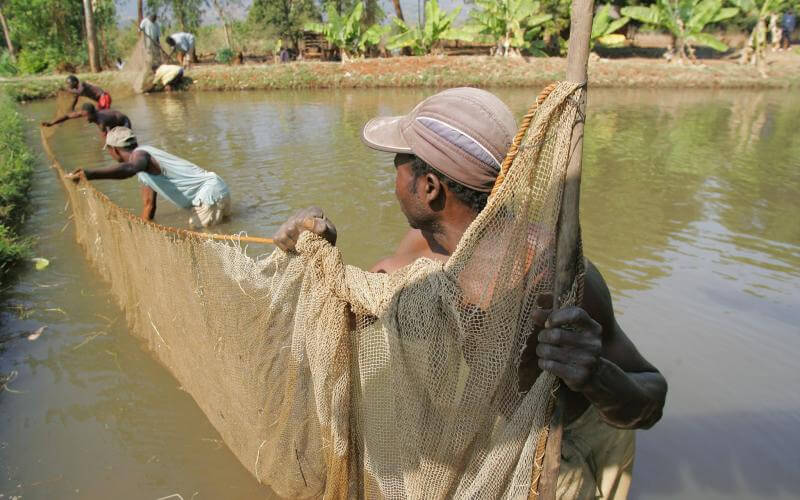
Md. Sabit Hossain transformed his life with long-term loans and training from ATMABISWAS, becoming a successful fisherman who now inspires his community.
Inspiring Entrepreneurial Journeys
Discover how innovative approaches and community support in agriculture have enabled many to overcome challenges and thrive in their endeavors.
Agricultural Development Programme
Agriculture lies at the heart of ATMABISWAS's work in Bangladesh. Since our founding, the Agricultural Development Programme has stood alongside farming families in Chuadanga, across Khulna Division, and in the communities we serve in Dhaka and Rajshahi Division, helping them move from subsistence farming toward more secure, sustainable livelihoods.
Our approach to agricultural development in Bangladesh combines practical, field-based training with access to better seeds, tools, and technical guidance. Rather than offering one-size-fits-all solutions, we work directly with farmers to understand local soil conditions, water availability, and market demand, then build support around what will genuinely improve their harvest and household income.
As an agriculture NGO in Bangladesh working across diverse rural landscapes, we have learned that lasting change comes from partnership, not charity. Every training session, demonstration plot, and farmer group we support is designed to build local knowledge and confidence that continues long after our direct involvement ends.
Our Agricultural Support
ATMABISWAS supports farmer support services across every stage of the agricultural cycle — from the first training session to getting produce to market. Our support areas include:
Farmer Capacity Building
Hands-on training that strengthens farmers' technical knowledge and confidence.
Climate Smart Agriculture
Farming methods adapted to changing rainfall and temperature patterns.
Crop Management
Guidance on planting, crop rotation, and pest management for healthier yields.
Vegetable Cultivation
Support for homestead and commercial vegetable gardens across our working areas.
Fish Farming
Aquaculture training and support for pond-based fish farming households.
Livestock Support
Guidance on animal health, feeding, and small-scale livestock rearing.
Helping farmers access and manage water efficiently during dry seasons.
Agricultural Training
Regular workshops covering modern techniques and farm management.
Market Linkage
Connecting farmers with buyers and fair markets for their produce.
Nutrition-sensitive Agriculture
Encouraging diverse, nutrient-rich crops that improve household nutrition.
Sustainable Farming Practices
Long-term, environmentally sound methods that protect land for future generations.
Our Objectives
Through the Agricultural Development Programme, ATMABISWAS works toward a clear set of goals:
Improve rural livelihoods
Increase agricultural productivity
Promote environmentally friendly farming
Support women farmers
Encourage youth participation
Improve food security
Strengthen resilience against climate change
Increase farmers' income
Why Sustainable Agriculture Matters
Sustainable agriculture is about more than growing crops responsibly — it is about safeguarding the future of rural communities. When farming practices protect soil health and biodiversity, the land continues to produce reliable harvests season after season, which is essential for long-term food security in a country where a large share of families depend directly on agriculture.
Climate resilience matters just as much. As rainfall patterns become less predictable and extreme weather more frequent, farmers who adopt climate smart agriculture techniques — such as improved water management, diversified cropping, and resilient seed varieties — are better able to protect their harvests and their income from shocks they cannot control.
Beyond the field, sustainable agriculture supports broader community development and long-term economic growth. Healthier soil, stronger local food systems, and better-informed farmers create a foundation that benefits not just individual households but entire villages, helping rural development in Bangladesh move forward on solid ground.