Championing community wellness through innovative healthcare and nutritional education.

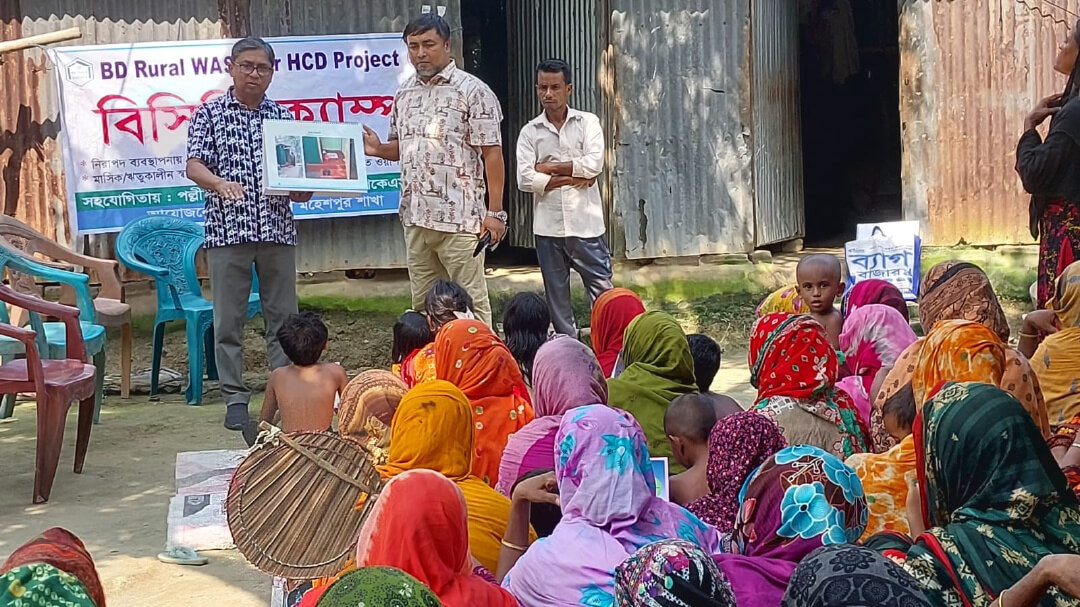
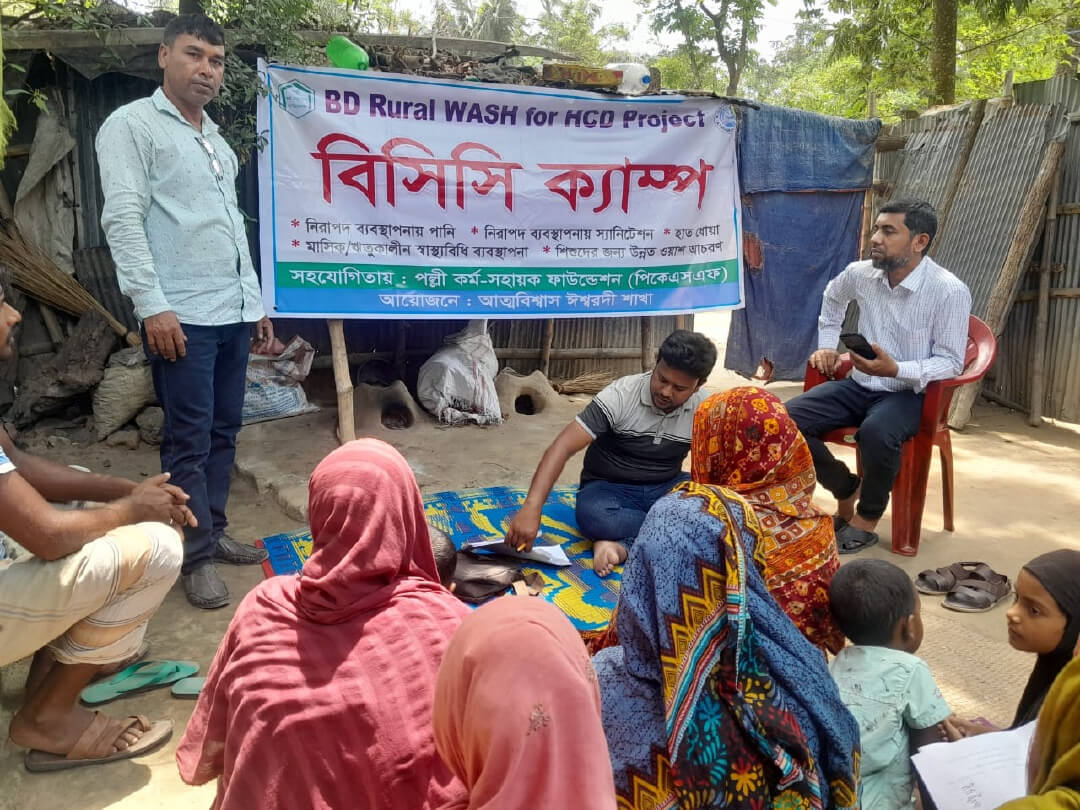
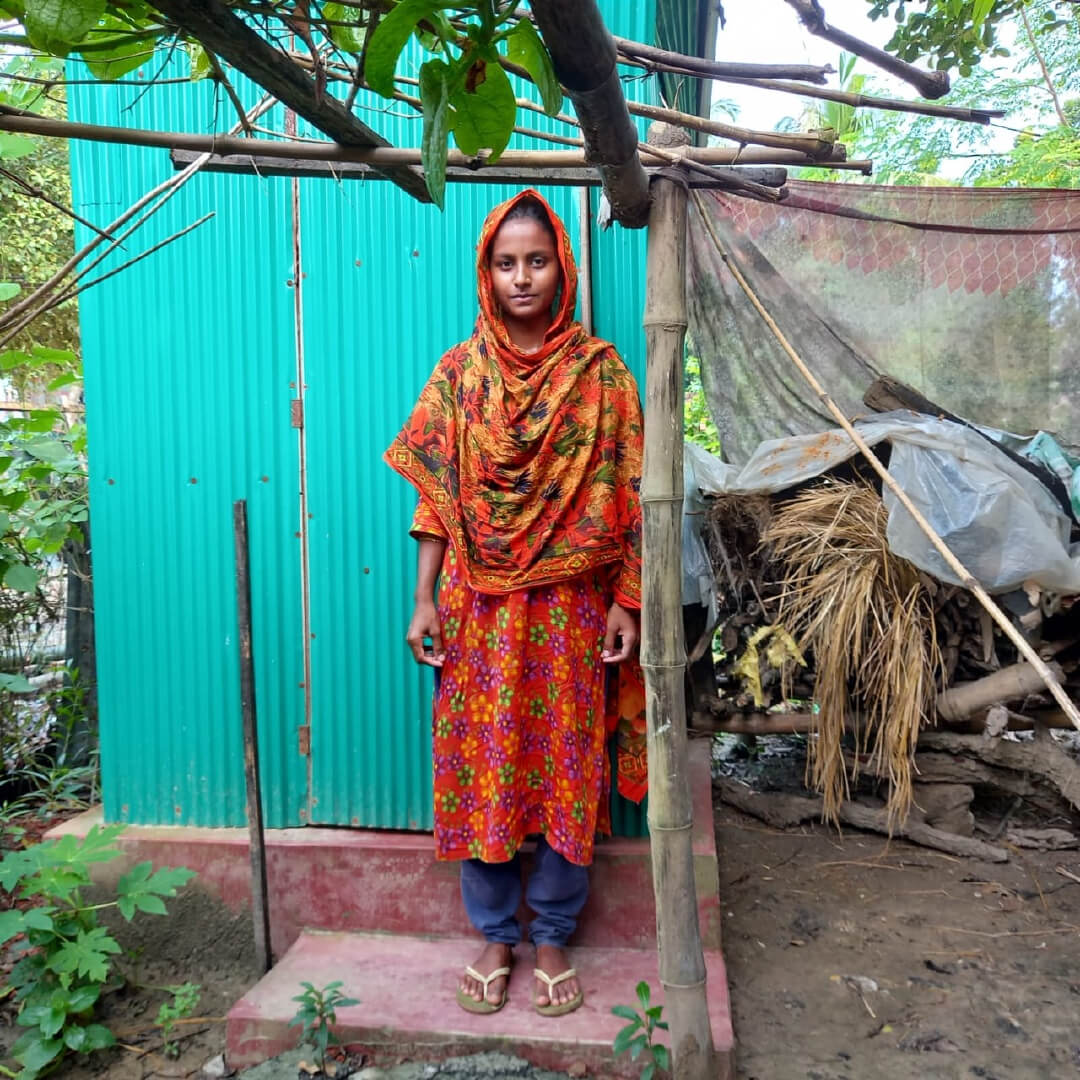
We construct modern toilets and provide safe sanitation facilities. We also distribute sanitary napkins and offer practical training on proper hygiene.
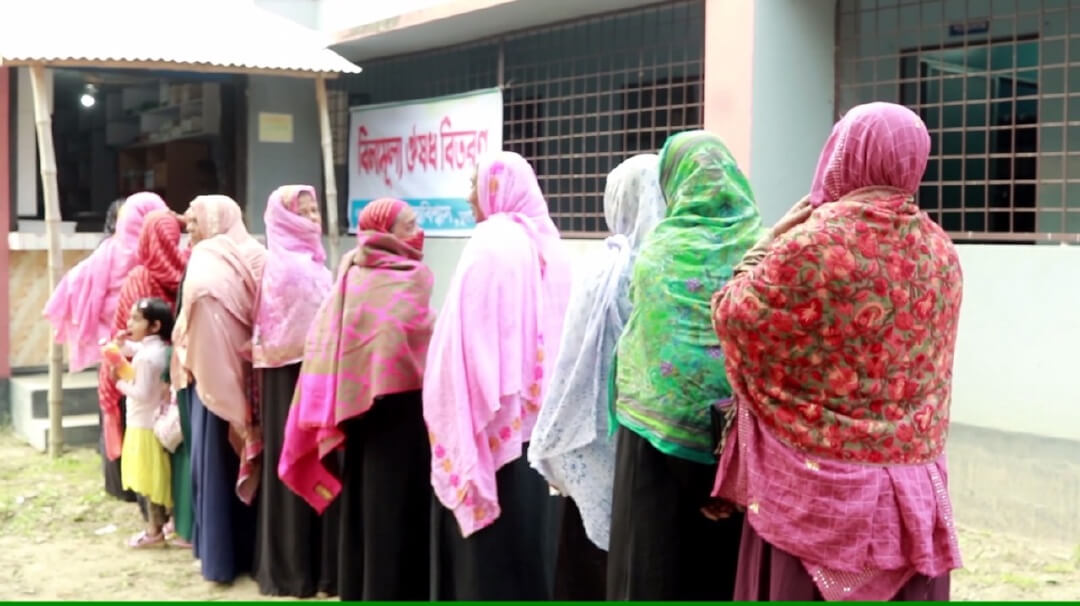
Essential medicines are provided free of charge, ensuring every community member receives timely and quality care.
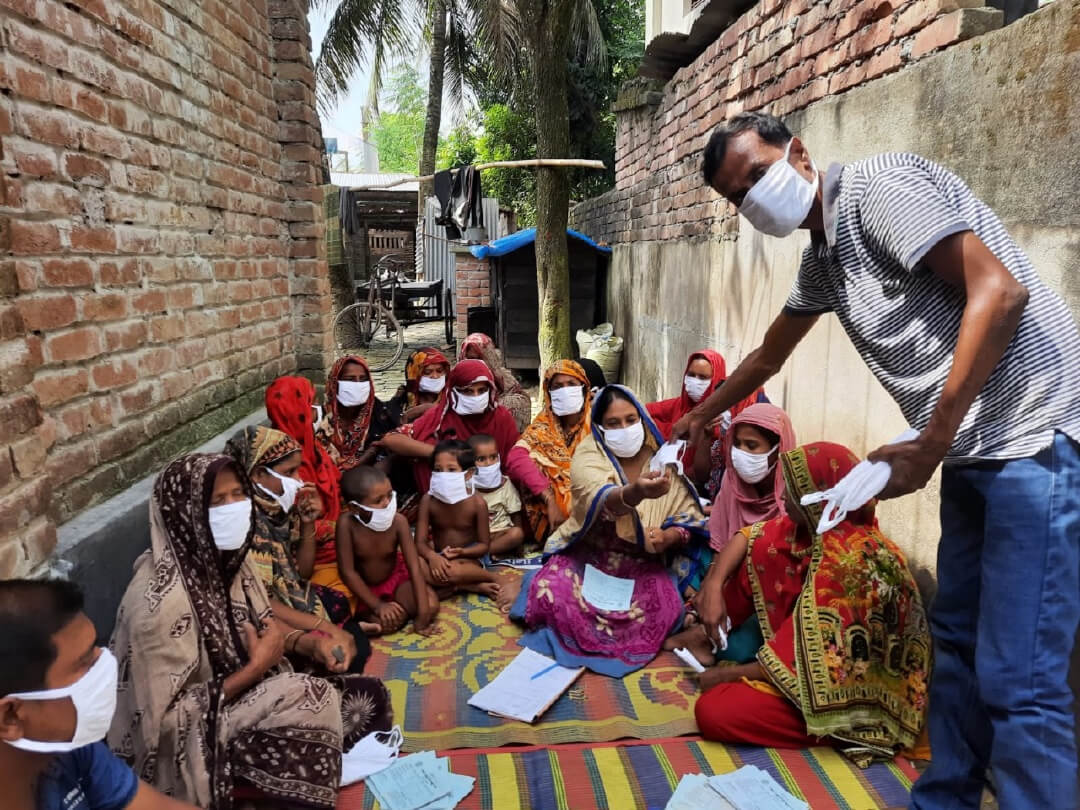
Our outreach programs educate villagers on nutrition, hygiene, and the correct usage of sanitary products—empowering them with vital health knowledge.
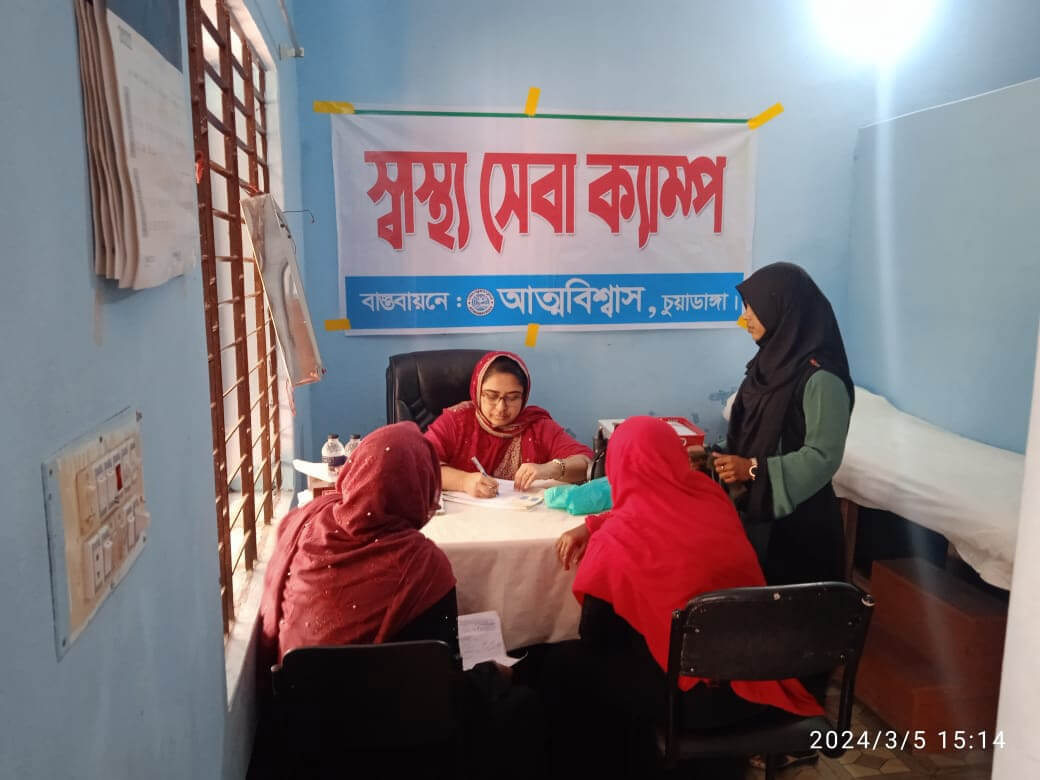
Throughout the pandemic, our dedicated teams provided essential healthcare services and raised awareness about health protocols. We empowered rural communities to stay safe and healthy.
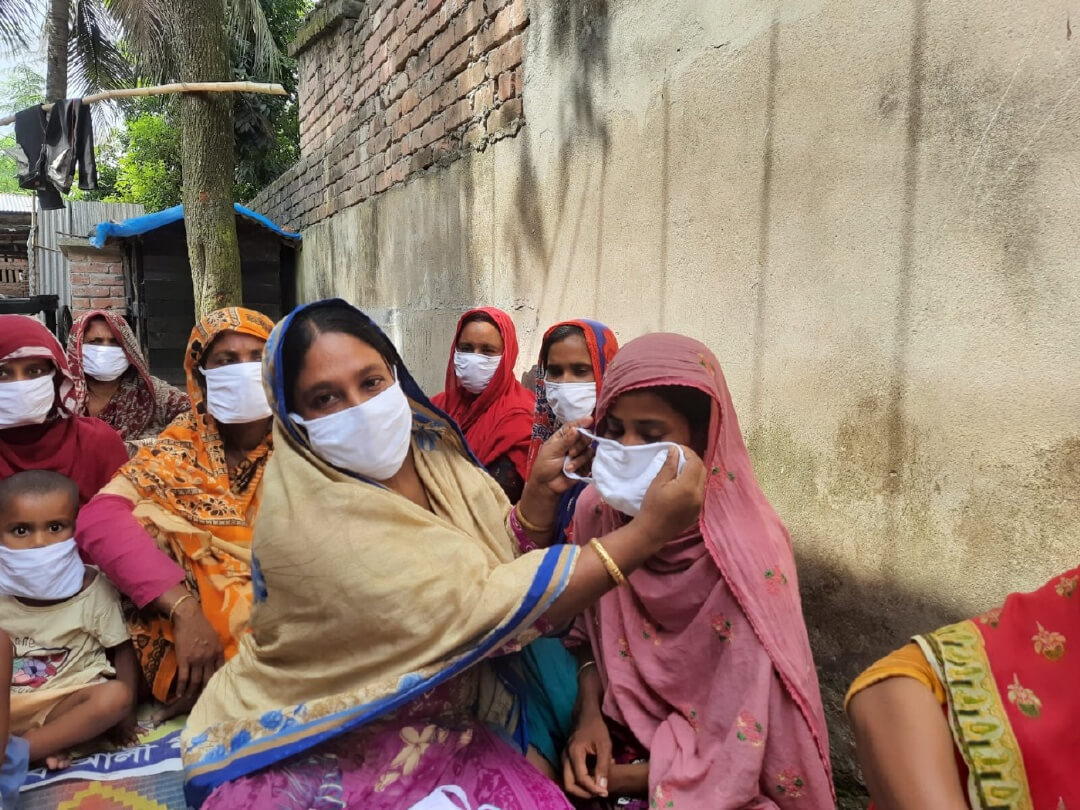
Join our 1-2 week training program to equip yourself with the skills to support rural communities. Your contribution will create a positive, lasting impact.
ATMABISWAS Hospital is a beacon of hope—offering comprehensive healthcare services with modern facilities, a dedicated team, and free medical care for rural areas.
Our hospital goes beyond treatments by engaging in community outreach, preventive care initiatives, and educational seminars. We strive to build a healthier future through compassion, innovation, and excellence in healthcare.
As a health NGO in Bangladesh working alongside rural communities, ATMABISWAS offers a range of community health and nutrition programme activities designed to meet everyday health needs:
Group sessions and outreach activities that build practical health knowledge at the community level.
Support and awareness for safe pregnancy, childbirth, and early childhood care.
Guidance on balanced diets and nutrition practices for families and young children.
Encouraging timely immunization and awareness of routine vaccination schedules.
Promoting handwashing, safe waste disposal, and everyday hygiene practices.
Raising awareness of safe water handling and household water treatment.
Health education and awareness activities designed for adolescents and young people.
Awareness and support activities focused on women's health needs across all life stages.
Awareness and support activities addressing the health needs of older community members.
Reducing stigma and building basic awareness of mental health and wellbeing.
Organizing community screening camps to help identify health concerns early.
Ongoing education sessions that keep communities informed and engaged in their own health.
ATMABISWAS's health programme is built on community participation rather than one-off interventions. We work with village health volunteers, community leaders, and local health workers to identify the most pressing health needs in each area, then design awareness and outreach activities around what communities themselves say they need most.
Health education sits at the centre of everything we do. Through group sessions, household visits, and demonstration-based training, we help families understand practical steps they can take to protect their health — from safe drinking water practices to recognizing early warning signs of illness. Volunteer engagement extends this reach further, allowing trained community members to continue sharing health knowledge long after a specific campaign ends.
We also value local partnerships and capacity building, working alongside existing health facilities, local government structures, and other community development organizations wherever possible rather than duplicating services. This sustainable, community-based approach is intended to leave communities better equipped to manage their own health going forward, not dependent on continued outside support.